
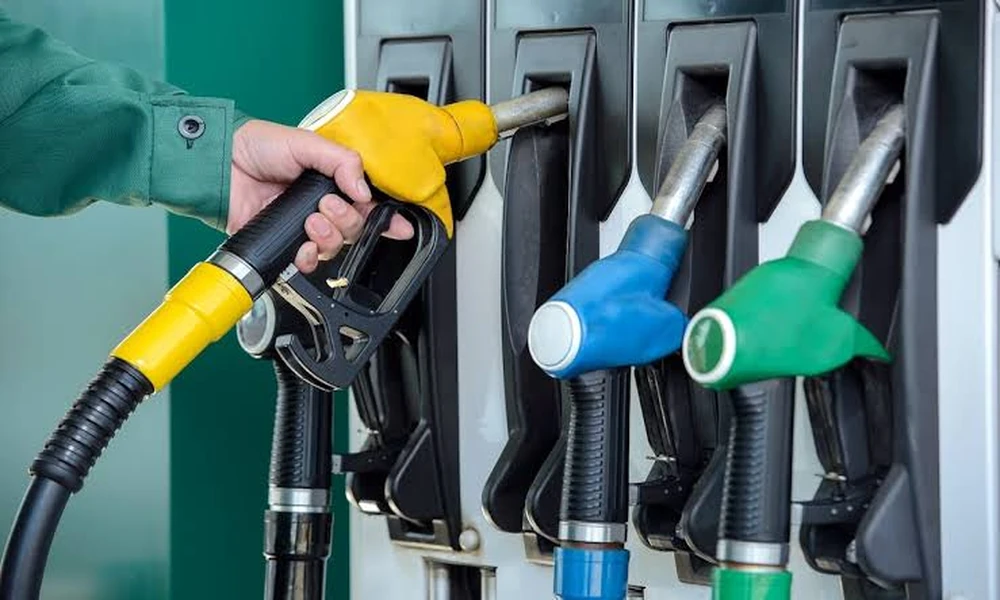
Diesel pumps are designed for tough operations, but their performance is dependent on routine maintenance. A diesel pump must continue to be dependable in order to prevent delays and maintenance expenses, whether it is utilised in industrial facilities, buildings, agriculture, or petrol stations. Fixing issues when they arise is only one aspect of good maintenance. Regular inspections, clean fuel, adequate lubrication, and prompt replacement of old components are all part of it. A pump may run more effectively for a longer period of time with these techniques.
Understanding the specific requirements of the equipment is also important when planning routine servicing. A practical Bosch Diesel Pump Maintenance Insights approach can help operators focus on essential areas such as fuel cleanliness, component condition, lubrication, and early detection of performance changes. By combining manufacturer recommendations with regular inspections, users can address minor concerns before they develop into costly repairs and help maintain reliable pump operation over the long term.
2. USE CLEAN AND SUITABLE FUEL
The quality of fuel directly affects how well a pump works. Water, dust, and grime can infiltrate the fuel system, harm internal parts, or obstruct fuel flow. Fuel needs to be kept in hygienic containers away from contamination and moisture. As advised by the manufacturer, filters should be tested and changed on a regular basis. If tainted gasoline is detected, it should be addressed right away instead of letting the pump run under subpar circumstances.
3. INSPECT FOR LEAKS AND WEAR
Small leaks are readily missed, particularly if a pump is operated on a daily basis. Check for cracks, looseness, or gasoline leaks in hoses, seals, joints, fittings, and connections during normal maintenance. Keep an eye out for any odd odours, stains, or damp spots around the equipment. As they age, seals may lose their efficiency and hoses may become brittle or rigid. Larger issues can be avoided, and unplanned downtime can be decreased by replacing these parts before they break.
4. MAINTAIN PROPER LUBRICATION
Sufficient lubrication is necessary for moving parts to minimise wear and friction. Problems might arise from selecting the incorrect type of lubricant or from using excessive amounts. For information on the proper lubricant, amount, and service period, refer to the pump manufacturer’s recommendations. Examine adjacent parts for excessive wear or strange movement while lubricating.
5. MONITOR PERFORMANCE CHANGES
It is important to pay attention to changes in the typical behaviour of pumps. An underlying problem might be indicated by reduced fuel supply, odd vibration, odd sounds, overheating, or trouble starting. Early detection of these alterations is possible for operators who are familiar with the typical sound and performance of the pump.
6. FOLLOW A PLANNED MAINTENANCE SCHEDULE
Regular maintenance is facilitated with a set timetable. While weekly or monthly inspections might concentrate on filters, hoses, lubricants, and connections, daily checks can encompass obvious leaks, fuel levels, and overall condition. Since specifications differ between models, the manufacturer’s servicing recommendations should continue to be the primary source of guidance.
7. CONCLUSION
Consistent maintenance, as opposed to urgent repairs, is the key to long-term diesel pump performance. Wear and unplanned breakdowns can be minimised with clean fuel, appropriate lubrication, routine inspections, a clean atmosphere, and prompt service. Businesses may increase dependability, reduce operating expenses, and obtain more beneficial service from their pumping equipment by considering maintenance as a regular duty.