
Key Takeaways
RV delamination happens when the outer layer detaches from the underlying structure, mainly due to moisture or flaws in manufacturing.
Signs of delamination are often noticeable: bubbles, soft spots, warping, and even strange odors should be dealt with quickly to halt further damage.
If repairs are ignored, it can lead to ballooning costs, expenses related to mold remediation, a drop in resale value, and possible safety risks.
Addressing issues promptly can significantly prolong an RV’s operational life, enhance its structural integrity, and boost its resale potential.
The repair procedure typically involves inspecting the damage, removing the affected panels, applying adhesive, reattaching them, and sealing everything to block moisture ingress.
For repairs to be effective, using top-notch materials like polyurethane adhesives and water-resistant sealants is essential.
Post-repair enhancements such as better insulation and protective coatings can further improve the RV’s durability and increase its lifespan.
Identifying the Signs of RV Delamination: What Every Owner Should Know
Common Indicators of Delamination in RVs
Many owners tend to miss the early signs of RV delamination, risking more complicated issues later on. Delamination occurs when moisture infiltrates or due to manufacturing flaws, leading to separation of the outer layer from the core structure. Early recognition of these signs is incredibly important. Common indicators include:
- Bubbles or blisters appearing on the exterior
- Soft areas on walls or the roof
- Cracking or warping in the internal panels
- Strange odors that could point to mold or mildew
Recognizing these issues quickly can mean the shift from a simple fix to a lengthy overhaul. It’s more than just a cosmetic concern; safety and longevity could be at stake.
Visual Cues: Spotting Trouble Before It Escalates
Taking a closer look at the RV’s exterior often reveals significant signs of delamination. Changes in paint texture or unwarranted discoloration may serve as early alerts. A thorough inspection of the joints where panels converge is crucial. Gaps or cracking sealant signal that moisture could penetrate easily. Professionals advise regular checks, especially in concealed areas like under awnings and in storage compartments. The sooner issues are spotted, the simpler and less costly the repairs tend to be.
The Importance of Addressing Delamination Early: Pro Insights
Long-Term Costs of Neglecting Delamination Repairs
Putting off repairs isn’t just inconvenient; it can turn into a ticking financial bomb. Owners who neglect repair rv delamination risk facing mounting repair expenses. A minor problem can rapidly escalate into deep structural issues. Consider what happens when these matters are left unchecked:
- Labor costs increase as damage escalates
- Potential expenses for mold remediation increase
- Resale value of the RV diminishes
- Safety risks for everyone on board spike
Saving a little today could mean significant losses tomorrow. Overlooking delamination signs can transform a peaceful weekend getaway into an expense-heavy ordeal.
How Timely Repairs Increase RV Lifespan
Making timely repairs isn’t just good financial sense; it can drastically extend an RV’s lifespan. Experts note that those who take proactive measures often benefit from:
- Strengthened structural integrity over time
- Improved overall functionality and comfort
- Higher resale value when selling
Responding to early signs of delamination can lead to years of additional use from an RV. After all, who wouldn’t want a lasting return on such an investment?
Repair Techniques for RV Delamination: A Professional’s Playbook
Step-by-Step Process for Effective Delamination Repair
Repairing delamination requires meticulous attention and a systematic approach to restore the RV’s condition effectively. The standard process usually includes:
- Assessing how extensive the delamination damage is via a thorough inspection.
- Removing any affected panels, especially if they exhibit severe warping or damage.
- Cleaning the area to scrape off old adhesive and ready the surface for new bonding.
- Applying specialized adhesive tailored for RV materials, ensuring complete coverage.
- Reattaching the panels while applying pressure for a solid bond.
- Sealing the surface with water-resistant materials to avert any future moisture issues.
This systematic approach helps minimize complications during the reassembly phase. But there’s an essential point to remember: adhering to the proper technical specifications will greatly influence the repair quality.
Choosing the Right Materials and Tools for the Job
When it comes to RV delamination repair, selecting the appropriate tools and materials is vital. Utilizing high-quality adhesives and sealants can turn a looming disaster into a manageable task. Consider employing the following materials to elevate repair success:
- Polyurethane-based adhesives for robust bonding
- Fiberglass sheeting for supplementary reinforcement
- Water-resistant sealants to guard against moisture
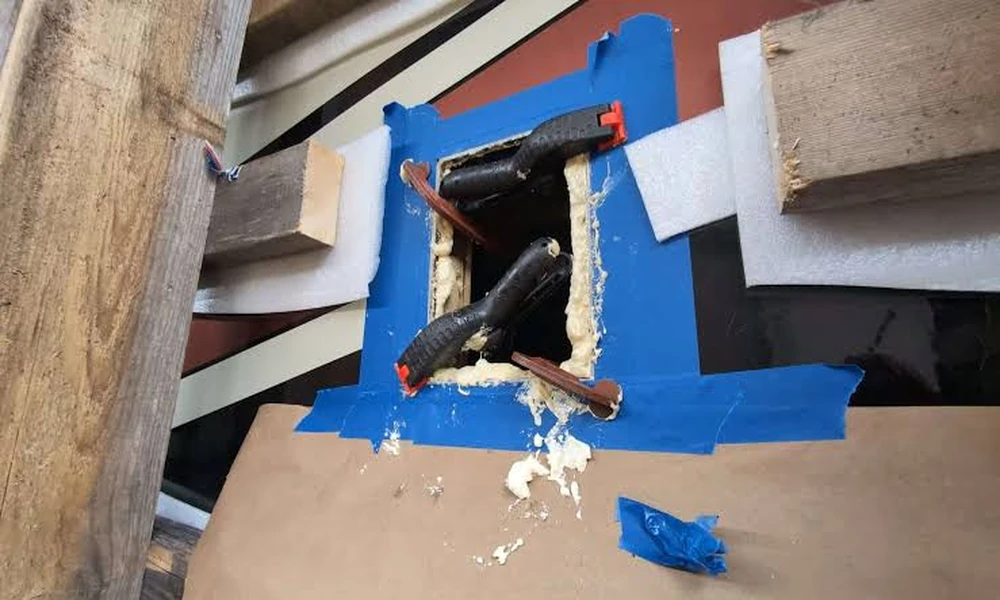
Essential tools consist of clamps for secure panel attachment, scrapers for surface preparation, and a heat gun for adjusting panels. There are no shortcuts in this process; professionals understand that a well-stocked toolkit can mean the difference between a successful repair and a setback.
Beyond Repair: Enhancing Your RV’s Integrity After Delamination
Recommended Upgrades to Prevent Future Issues
After completing repairs, taking steps to enhance the RV’s integrity is a wise move. Implementing a few upgrades can provide added layers of protection against future delamination occurrences. Professionals frequently suggest:
- Investing in high-quality roof insulation materials
- Applying protective coatings to exterior surfaces
- Incorporating dehumidifiers to balance internal moisture levels
Such improvements serve not just to protect; they can substantially elevate the overall RV ownership experience. Enhanced insulation may also lead to better climate control and preserve the interior.
Proven Maintenance Tips for Longevity in RV Ownership
Ongoing maintenance is essential for ensuring durability in an RV post-repair. Keeping the following strategies in mind can foster the vehicle’s long-term health:
- Regularly check seals and joints for signs of wear.
- Frequently wash the RV’s exterior to eliminate dirt and debris.
- Store the RV properly during off-seasons to protect it from environmental damage.
These strategies help keep the RV looking good and functioning effectively. Ultimately, consistent maintenance has a significant influence on longevity. Proper care can morph immediate repair concerns into a safeguarded investment.
“A well-maintained RV not only lasts longer but enhances the overall travel experience.” – Industry Expert
FAQ
What are some causes of RV delamination beyond moisture?
While moisture plays a significant role, manufacturing defects and inferior materials can also lead to RV delamination. Factors such as extreme temperature changes and improper sealing during assembly can significantly contribute to this issue.
How can RV owners proactively check for delamination issues?
Regular inspections are vital. Owners should routinely watch for signs like bubbling paint or soft spots. Keeping an eye on the condition of seals and joints, particularly after heavy rains or road trips, can help catch issues early.
Are there specific brands or products recommended for repairs?
Professionals commonly recommend reliable brands such as 3M for adhesives and Dicor for sealants. These products are well-regarded for their durability and effectiveness in RV applications, ensuring long-lasting performance.
What is the average cost of RV delamination repair?
Costs can vary considerably based on how serious the damage is and the materials chosen, but owners might anticipate spending anywhere from a few hundred to several thousand dollars. Obtaining a detailed quote from a professional can clarify what to expect before proceeding.
How long should a well-done repair last?
A well-executed delamination repair can endure for years, sometimes outlasting a decade, especially with proper maintenance. The longevity heavily relies on continual care and environmental conditions affecting the RV.
What insurance coverage is available for RV delamination repairs?
Comprehensive RV insurance policies often include coverage for delamination repairs if damage results from weather-related events or accidents. Consulting with an insurance agent to understand policy specifics can offer peace of mind.
Is professional repair always necessary, or can owners handle it themselves?
While some DIY repairs are feasible, they necessitate considerable expertise and specialized tools. For those not well-versed in the repair process, hiring professionals can guarantee better quality and reduce the chances of future complications.
What additional benefits do upgrades provide after repair?
Enhancements like improved insulation and protective coatings not only shield against moisture, they also boost energy efficiency and climate control within the RV. This leads to a more enjoyable travel experience and can lower energy expenditures.