
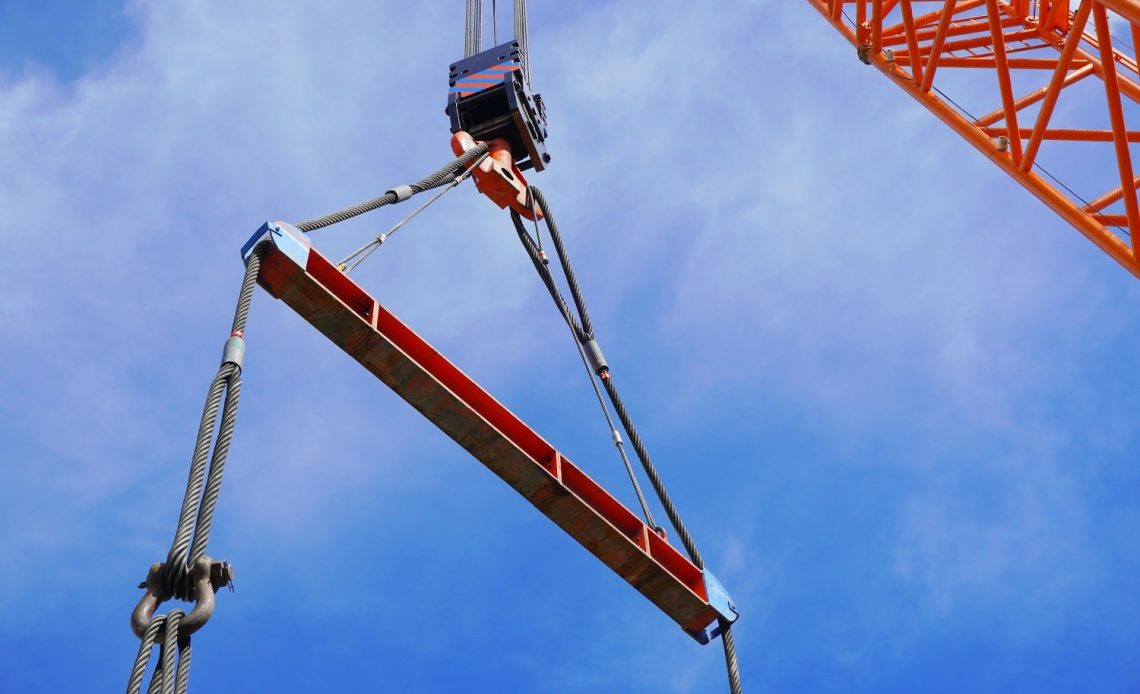
Choosing the right overhead lifting tool requires careful thought. Rigging professionals often face a common choice between two main devices. These tools look similar but perform very different mechanical roles. One tool handles compression while the other manages heavy bending forces. Understanding these differences ensures safety during difficult material handling tasks. Spreader bar designs use two separate wire rope slings at the top. This configuration converts lifting loads into pure compressive forces along the pipe.
The Basic Mechanics of the Spreader Bar
A spreader bar uses two lugs on the top side. These lugs connect to a crane hook with a sling. The slings create an angled pull toward the center point. Now the bar pushes outward against the tension of the slings. This design makes the equipment very light and quite efficient. You find these bars useful for long or wide loads. The bar stays under compression during the entire lifting process. Sometimes the weight of the load dictates this specific rigging choice. Skidsteers Direct provides high quality equipment for various industrial lifting needs. The simple design allows for easy transport to different job sites.
Understanding the Structural Function of Lifting Beams
The lifting beam features a single attachment point on the top. This central lug connects directly to the crane or hoist. The beam must support the entire weight through its structure. These beams experience significant bending stress during a heavy lift. The steel must be thick to prevent any structural failure. You use these beams when headroom remains a major concern. Low ceilings often require this compact type of rigging gear. The weight of the beam itself is usually quite heavy. This extra mass provides the necessary strength for the vertical lift.
Key Differences in Headroom and Stability
Headroom remains the primary factor for many rigging site decisions. A spreader bar requires significant vertical space for the top slings. The height of the rigging triangle can be quite tall. But the lifting beam fits into much tighter vertical spaces. You save several feet of clearance by using a beam. Now you must also consider the stability of the load. Spreader bars offer excellent stability for very wide objects. The angled slings help balance the center of gravity well. Lifting beams work best for shorter or more rigid loads. Skidsteers Direct helps customers choose the right tool for their site.
Weight Capacity and Material Efficiency
Material efficiency defines the value of a good spreader bar. The pipe uses less steel to hold very large weights. Compression forces allow for thinner walls in the metal tube. But the lifting beam requires much more heavy plate steel. The beam becomes very heavy as the load capacity increases. This extra weight reduces the net capacity of the crane. You must calculate the weight of the rigging equipment carefully. Sometimes the rigging weighs more than the actual cargo itself. Using a lightweight bar saves time during the assembly process. Efficient designs help maintain safety margins during every single lift.