
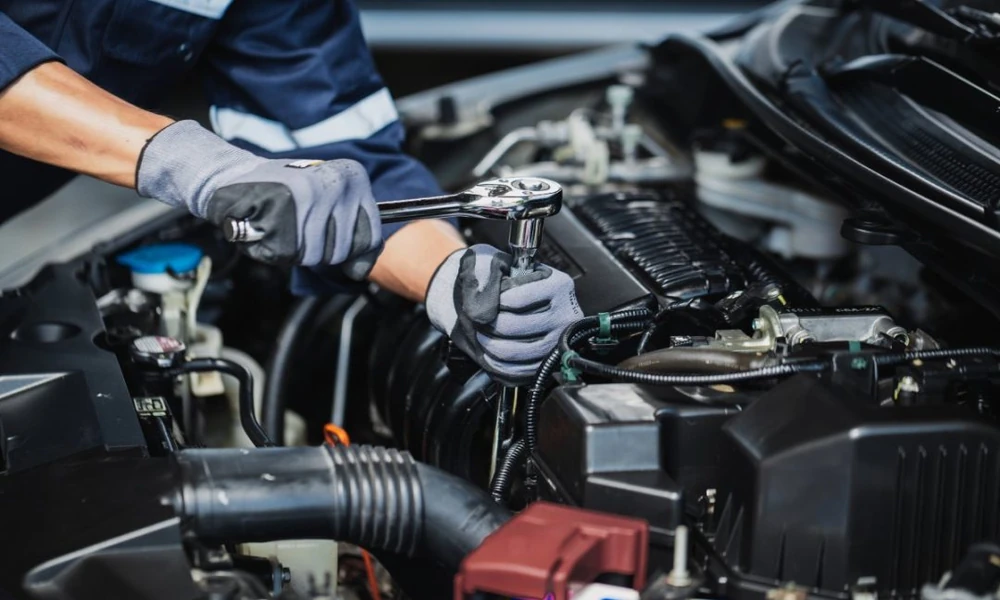
A failing head gasket can create serious engine trouble when ignored for too long. The problem often begins with subtle symptoms that resemble other mechanical faults. So accurate testing becomes essential before expensive engine repairs are recommended. Compression testing and leak-down testing both examine cylinder sealing. But each method reveals different information about possible head gasket damage. Now understanding their differences can help explain why technicians choose one test. A trusted Diesel Repair in Rocklin, CA service can perform both procedures with proper diagnostic equipment.
Leak-Down Testing Shows Where Pressure Escapes
Leak-down testing provides a more detailed examination of cylinder sealing. The technician positions the affected piston at its compression position. Compressed air then enters the cylinder through a specialized testing device. The equipment measures how much air escapes from the sealed cylinder. Listening carefully can reveal where escaping air travels inside the engine. Air escaping through the intake can suggest an intake valve problem.
When Compression Results Need Further Investigation
Compression testing often works well as an initial diagnostic procedure. It can quickly identify cylinders that perform differently from their neighbors. The results can help technicians decide whether deeper testing is necessary. A uniform compression reading does not always eliminate head gasket concerns. Certain gasket failures allow coolant leakage without creating major compression differences. External coolant leaks can also develop without immediately affecting cylinder pressure. Diesel Performance Specialist can use these findings to recommend appropriate testing before major repairs begin.
When Leak-Down Testing Becomes More Valuable
Leak-down testing becomes particularly useful when cylinder compression readings appear confusing. It helps distinguish between valve problems and piston related sealing problems. The test also provides stronger evidence when coolant contamination is suspected. If air reaches the cooling passages internal gasket failure becomes more likely. Technicians may observe bubbles inside the radiator or expansion reservoir during testing. Diesel Performance Specialist can interpret these results alongside vehicle symptoms and service history.
Choosing the Right Test for Head Gasket Diagnosis
Neither testing method should automatically replace the other during difficult diagnostics. Compression testing offers a quick overview of cylinder pressure and engine condition. Leak-down testing provides deeper information about the location of internal pressure loss. Oil contamination can provide another important clue during diagnosis. Diesel Performance Specialist can help determine which test offers the clearest evidence.
FAQs
Can Compression Testing Miss A Head Gasket Failure?
Yes. Some gasket failures mainly affect coolant passages without greatly reducing compression pressure.
Does Leak-Down Testing Always Confirm Gasket Damage?
No. Cooling system bubbles strongly suggest leakage but require professional interpretation alongside other findings.
Can Both Tests Be Performed During One Inspection?
Yes. Using both methods can provide complementary evidence when symptoms remain unclear.
Does Overheating Prove A Head Gasket Is Damaged?
No. Cooling system faults can cause overheating without gasket failure.