
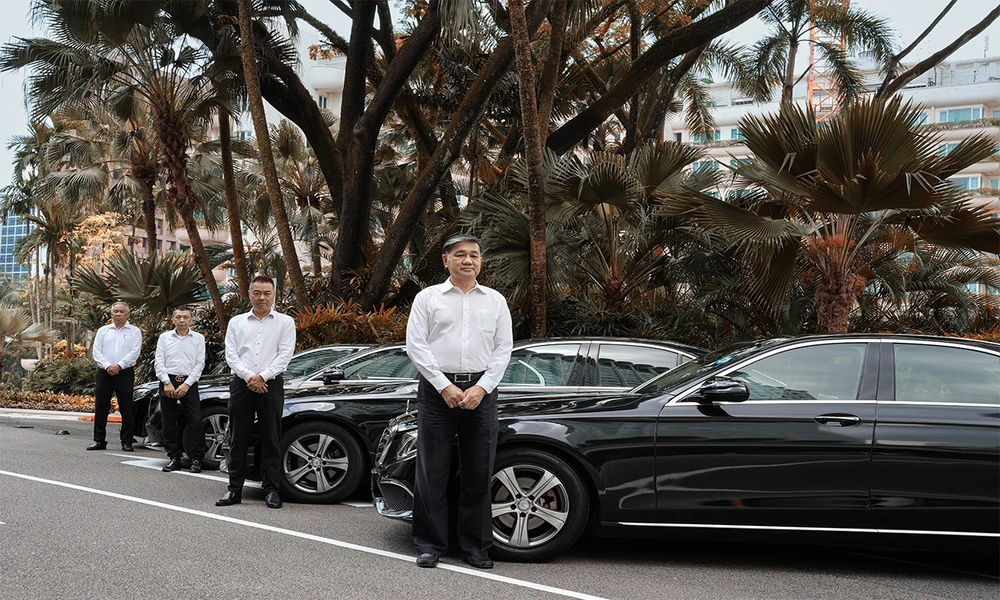
C&P Rent-A-Car’s commercial fleet leasing addresses one of the more persistent operational headaches that growing businesses in Singapore face: how to maintain a reliable, professionally presented vehicle fleet without tying up capital in depreciating assets or devoting staff time to the administrative overhead that vehicle ownership demands. The commercial fleet leasing model shifts that burden from the business to the provider, allowing the company to focus on what it actually does.
Why Businesses Choose Fleet Leasing Over Ownership
The decision between owning and leasing a commercial fleet is ultimately a financial and operational one, and the numbers in Singapore consistently favour leasing for businesses that are honest about the full cost of ownership.
The visible cost of a commercial fleet is the vehicle purchase price. The less visible costs accumulate across the ownership period: road tax renewals, insurance placements across multiple vehicles, workshop scheduling and downtime, tyre management, and eventually the question of how and when to refresh the fleet as vehicles age. Each of these tasks consumes staff time and management attention that could be directed elsewhere.
C&P Rent-A-Car’s commercial fleet leasing consolidates these responsibilities. The provider manages the administrative elements of the fleet, while the business receives reliable access to appropriately maintained vehicles at a predictable monthly cost.
What a Commercial Fleet Lease Typically Covers
A well-structured commercial lease should remove the major ownership costs and risks from the lessee’s balance sheet. Core inclusions typically are:
- Road tax: Managed and renewed by the provider throughout the lease term
- Comprehensive insurance: Commercial vehicle insurance appropriate to the business use, often on a fleet policy that is more efficiently priced than individual vehicle cover
- Scheduled maintenance: Preventive servicing at manufacturer-specified intervals, keeping vehicles in roadworthy condition and avoiding the productivity loss of unplanned workshop visits
- Replacement vehicles: Many commercial fleet agreements include provision of a temporary replacement vehicle when a leased vehicle is off the road for maintenance or repair, ensuring business operations are not disrupted
What remains the responsibility of the business includes fuel, parking, ERP charges, traffic infringements, and damage resulting from accidents or misuse.
Fleet Composition and Flexibility
Commercial fleet requirements vary significantly across industries. A logistics operation may need vans and light commercial vehicles. A professional services firm may need saloons and MPVs for client-facing staff. A hospitality or events business may require a mix of minibuses and people carriers.
C&P Rent-A-Car’s business fleet solutions accommodate this diversity, with lease arrangements that can be structured around the specific vehicle types and quantities that a business requires. As fleet needs change over time – with business growth, seasonal demand, or changes in operational focus – lease arrangements can typically be adjusted more readily than an owned fleet can be resized.
As former Minister of Trade and Industry S Iswaran once noted, “Singapore businesses that operate efficiently and adapt quickly are the ones best positioned to grow in a competitive environment.” Fleet management is a small but real element of operational efficiency, and the leasing model supports that adaptability.
Cost Predictability and Budget Management
For businesses preparing annual budgets, the unpredictability of vehicle running costs under an ownership model is a genuine inconvenience. A major service or an unexpected repair on a key vehicle can disrupt planned expenditure in ways that are difficult to account for in advance.
A fleet lease converts these variable costs into a fixed monthly outgoing that can be planned for precisely. Finance teams can model the vehicle cost line with confidence. Operations managers know what they are paying for and when. And the decision about when to refresh the fleet rests with the provider, not with the business having to judge when a vehicle has aged enough to warrant replacement.
Due Diligence Before Committing
Before entering a commercial fleet lease, businesses should verify several things about the proposed arrangement.
- The specific vehicles included in the lease and their specifications relative to the intended use
- The mileage allowance and excess mileage rate, and whether the allowance can be pooled across the fleet
- The response time for maintenance and replacement vehicle provision
- The process and cost of early termination, in case the business needs to reduce the fleet during the lease period
- The return condition standards that will be applied at lease end
A reputable provider will address all of these questions directly and provide written confirmation of the agreed terms before any contract is signed.
A Practical Starting Point
The most useful first step for any business considering C&P Rent-A-Car’s commercial fleet leasing is a direct conversation with the provider about specific vehicle requirements, expected mileage, and the operational context in which the fleet will be used. From that conversation, a tailored proposal can be developed that reflects the actual needs of the business rather than a generic package.
For businesses in Singapore that depend on vehicle access to deliver their services, a well-structured commercial fleet lease is one of the most straightforward operational improvements available.