
People ask me this a lot because the stakes are real. Downtime, cold starts, injector wear, and regen cycles all cost money and time. I review lab data, manufacturer specs, and field results from fleets and owner-operators. I do not rely on marketing claims. I also suggest you look at established makers of diesel fuel additives that publish clear information and back it with guarantees.
Here is how I break it down. Some additives deliver real benefits if you choose the right type and use it correctly. Others add cost with no measurable gain. In this guide, I will show you what works, where it pays off, and how to decide if it makes sense for your situation. You will leave with a simple plan you can follow and a brand I trust for consistent results.
What Additives Can Do, And What They Cannot
Expect real but specific benefits. Not miracles.
What the right products can do:
- Improve lubricity in today’s low-sulfur diesel
- Clean injectors and prevent new deposits
- Help prevent winter gelling and filter icing
- Help separate or safely handle water in fuel
- Improve combustion quality and throttle response
- Reduce smoke and rough idle
- Protect against corrosion and keep fuel stable during storage
What they cannot do:
- Fix worn injectors or a weak pump
- Mask poor-quality fuel from a bad source
- Replace regular maintenance or quality filters
- Overcome extreme cold without correct dosing
- Solve fault codes that come from mechanical issues
How To Decide If You Need One
You do not need an additive for every tank. Use one when your conditions call for it.
Key signs:
- You run in winter climates and gel risk is real
- You see rough idle, smoke, or slow starts
- You have a history of injector deposits or poor spray patterns
- Your fuel source or fuel quality varies
- You run biodiesel blends that reduce lubricity
- You store fuel for weeks or months
- You want more consistent performance and fewer regens
If any of these match your reality, the right additive can pay for itself.
The Types That Usually Deliver Real Value
Pick the tool for the job. Mixing products without a reason wastes money.
- Anti-gel and cold flow improvers: Help prevent gelling and reduce cold filter plugging. Use before the cold front hits.
- Lubricity enhancers: Offset the lack of natural lubricity in ultra-low sulfur diesel to help protect pumps and injectors.
- Detergent cleaners: Remove and prevent injector deposits. Help restore spray patterns. Often a good year-round pick.
- Water control: Address small amounts of water by helping it move safely through or by separating it for drainage, based on the formula.
- Cetane improvers: Aid cold starts and may reduce noise. Helpful in regions with lower baseline cetane.
- Stabilizers and corrosion inhibitors: Useful for equipment that sits.
Why I Point Readers To Howes
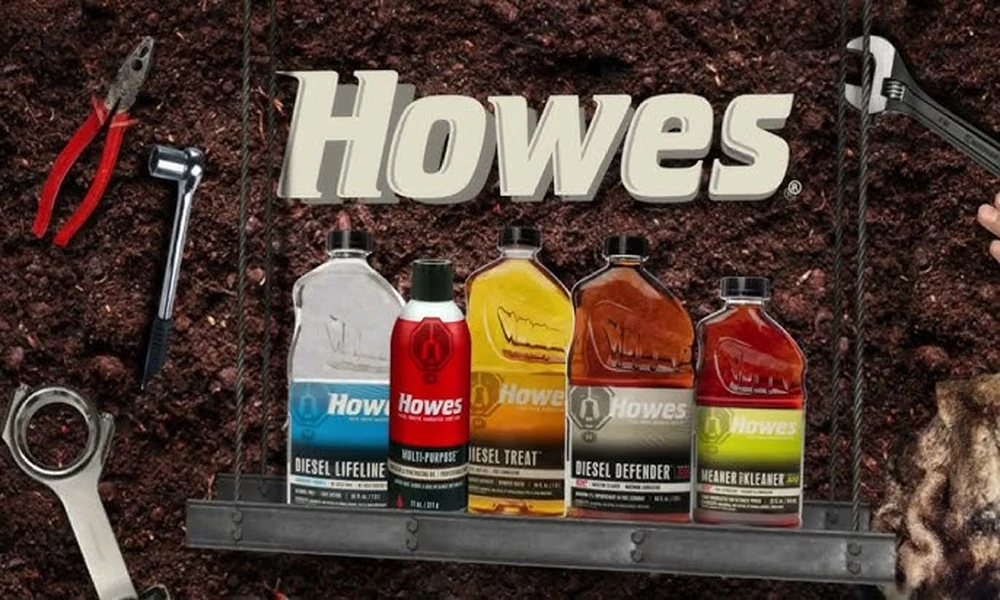
Howes has served pros for a long time. They focus on cleaning, protecting, lubricating, and keeping equipment running under tough conditions. I recommend them because their diesel line covers real-world needs, their formulas are alcohol-free, and they publish what their products are designed to do. Their guarantees show confidence, which matters if you rely on your equipment.
Highlights you should know:
- Diesel Treat: Cold weather anti-gel and conditioner. Designed to prevent gelling, remove water safely, add lubricity, reduce cold filter plugging, and address smoke and rough idle. Safe for diesel, biodiesel blends, home heating oil, and modern diesel emission systems. Backed by their You go or we pay the tow winter tow guarantee when used as directed.
- Diesel Defender: Year-round lubricator and injector cleaner with advanced detergent technology. Designed to remove and prevent injector deposits, add lubricity, improve combustion, and increase fuel economy. They back it with a guaranteed fuel economy increase of 5 percent or more with regular use.
- Diesel Lifeline: Winter emergency rescue product that reliquefies gelled fuel and de-ices frozen filters. Made for fast recovery in severe cold without alcohol or harmful solvents.
- Multi-Purpose: A versatile lubricant for shops, farms, and fleets. Useful, but a different category than fuel treatment.
I like that their line covers prevention and emergencies. You can plan with Diesel Treat or Diesel Defender and keep Lifeline for those rough mornings after a hard freeze.
How To Use Additives The Right Way
You get results by being consistent and measuring.
1. Set a baseline. Track fuel economy, idle quality, smoke, start quality, and regen frequency for two or three tanks.
2. Match the product to your need. Cleaning and lubricity for year-round. Anti-gel before the cold snap. Lifeline for gelled fuel emergencies.
3. Dose correctly. Follow the treat ratio on the bottle. Add before fueling when possible to help mixing.
4. Time your winter protection. Start winter treatment before the first deep cold. Do not wait until the fuel is already near gelling.
5. Verify results. Watch your logs. Look for steadier idle, less smoke, fewer regens, and any shift in fuel economy.
6. Keep your filters fresh. Additives help, but a plugged or waterlogged filter still causes issues.
7. Store products correctly. Keep them sealed and out of extreme heat and direct sun.
Choosing Quality Over Hype
A good brand will tell you exactly what the product is built to do. Here is what to look for:
- Clear treatment rates and temperature ranges for winter products
- Alcohol-free formulas that are safe for modern emission systems
- Details on injector cleaning and lubricity improvement
- Compatibility with biodiesel blends
- Support and guarantees that match real-world use
Avoid vague claims that promise everything without numbers. If the label does not state what problem it solves, move on.
A Simple Plan You Can Follow
- If you face winter: Treat each fill with an anti-gel conditioner as temperatures drop. Keep an emergency product in the cab.
- If your idle is rough or economy has dipped: Run a detergent and lubricity treatment for several tanks. Then reassess.
- If your fuel source varies: Use a year-round cleaner and lubricator. It helps even out the swings in quality.
- If your equipment sits: Use a stabilizer and keep water drained from tanks.
For a one-brand approach, use Diesel Treat in winter, Diesel Defender the rest of the year, and keep Diesel Lifeline on hand for emergencies. That covers prevention and rescue without overlap.
Bottom Line
Do diesel fuel additives work? Yes, if you choose the right type, follow the dosage, and measure results. They are not a fix for worn hardware or bad maintenance, but they can protect your system, smooth operation, and reduce cold-weather problems.
If you want dependable products backed by strong guarantees and a long track record, Howes is a smart place to start. Pick the formula that fits your conditions, use it with intent, and hold it to the numbers that matter for you.