
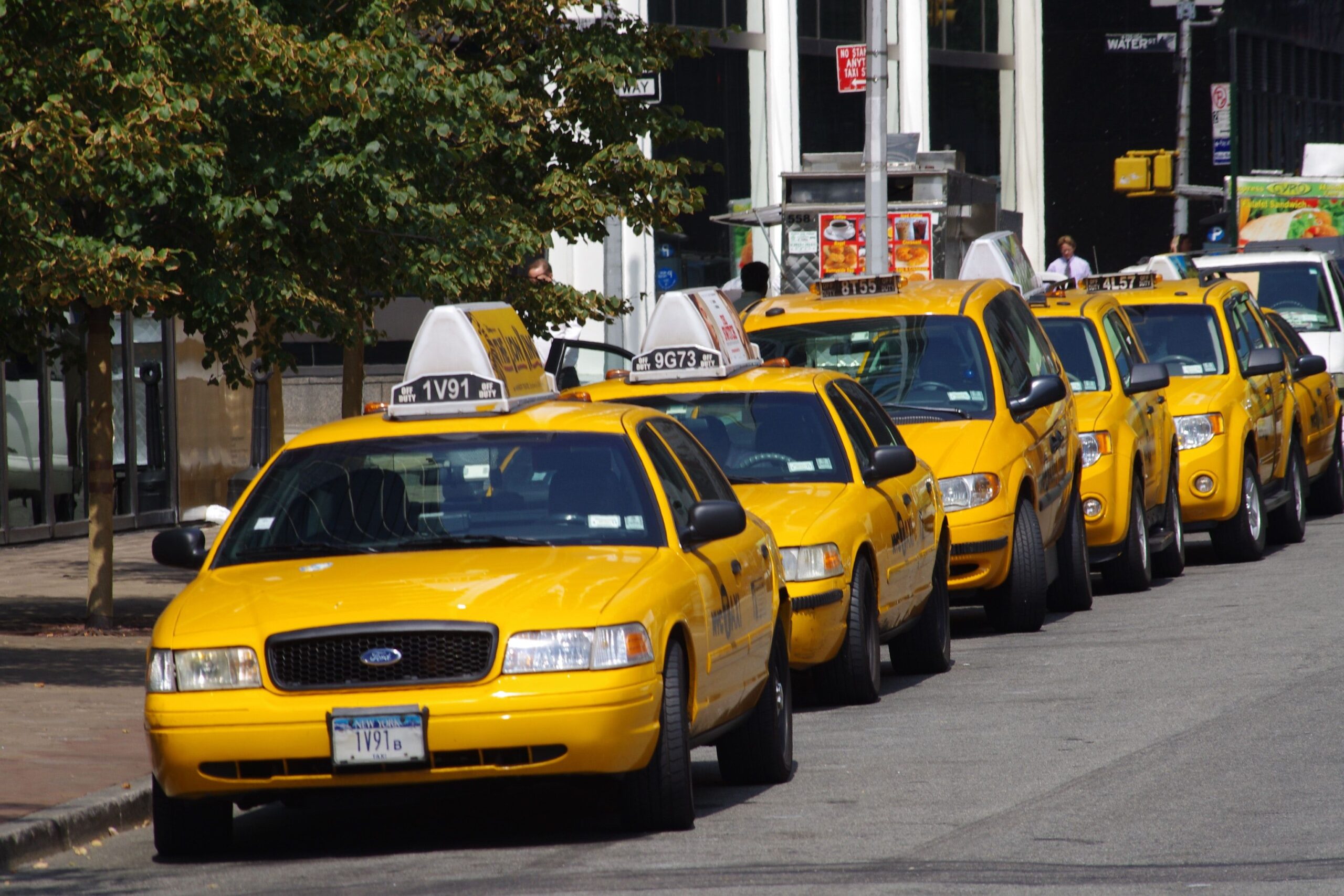
If you live in Hull or visit often, you already know the rhythm of the city. There are times when getting a cab is easy and times when it feels like every phone in town is calling for a ride at once. I have spent years reviewing local transport and writing about taxi services across the UK. Hull stands out for its busy match days, lively weekends, and seasonal events that test the system. After riding with several operators here, I can say with calm confidence that choosing the right firm and planning ahead makes all the difference. If you want a simple way to book a taxi in Hull, the most direct route is to use the firm’s own booking page so your request goes straight into the system without delay. For ease, start here with their streamlined process: book a cab online in seconds.
Why peak times feel different in Hull
Hull has its own traffic pattern. Match days, concerts, university terms, late Friday and Saturday nights, school runs, and airport transfer windows all stack demand. Drivers try to spread out. Dispatchers triage incoming jobs. A good operator keeps a close eye on the queue and assigns cars where they are needed. Still, the surge is real. If you have ever stood near Hull Paragon Interchange as a gig ends or the pubs close, you will know the sight of lines forming and phones lighting up.
This guide will help you beat that crunch. My focus is on real, simple steps that work when you need them most. I will use clear terms and avoid fluff. I will also explain why I recommend one Hull taxi firm in particular after many rides and many tests. The goal is to help you plan well so you spend less time waiting and more time moving.
The golden rule for peak bookings
Book early. It sounds obvious, yet most missed rides and long waits come from last minute requests during the busiest minutes. A booking made 2 to 24 hours ahead is far more likely to lock in a car at the exact time you want. During extreme peaks, 24 to 48 hours is even better. If plans change, update your pickup time rather than cancel. Dispatch can often adjust the schedule if you keep them in the loop.
The main pressure points in the city
Certain times and places trigger a spike in Taxis Hull demand. These are the big ones:
- Stadium days and big fixtures
- Friday and Saturday nights in the city centre
- Live shows, concerts, and festival nights
- University freshers, graduations, and term starts
- Airport transfer windows for early flights and late arrivals
- School runs and commuter peaks on weekdays
Each of these puts a squeeze on the fleet. The trick is to plan your request to avoid the exact minute that crowds pour out. Leave five to ten minutes before the end of a show, not after the last song. If you are leaving a match, step out as the injury time board goes up. You will thank yourself when you see the queue forming behind you.
Match days and event traffic
On match days the roads near the stadium grow tight. Road closures and diversions can change pickup access with little warning. If you need Hull Taxis after a game, set a pickup point a short walk from the busiest exits. A landmark or side street is best. Tell dispatch the exact spot. Add a simple note like “red brick pub corner” or “west gate bus stop.” Clear guidance helps the driver reach you quicker.
For large events, schedule both legs of your journey. Book your outbound trip and your return in the same call or online form. Give a broad return window if the end time is uncertain. Many firms will note you as a priority return job because you booked the outbound leg with them.
Weekends in the city centre
Friday and Saturday nights trigger the classic late night spike. Bars close at similar times. People head to the same taxi ranks. To beat the surge, decide on your pickup spot before the last round. Keep your phone volume on and battery charged. If your driver calls and cannot reach you, they will move on. In a peak window, drivers cannot wait long because the next job is already in their queue.
Keep your pickup location accurate. Dropping a pin in the middle of the street or outside the wrong venue slows things down. If you are not sure, use a clear landmark name. If you change venue, update the booking. Dispatch will try to reroute the nearest car if they know in time.
Airport transfer reality
Early flights create a steady drain of cars between 3 am and 7 am. Late arrivals do the same at night. Book both ways if you can. For outbound flights, factor in bags, roadworks, and that one set of temporary lights that never seems to turn green. For inbound flights, enter the flight number so the driver or dispatcher can track delays. If your bags take longer than expected, send a quick message through the booking system to confirm you are on the way to the pickup zone.
How far in advance to book
Think in tiers:
- Normal weekday, short city trip: 1 to 3 hours
- Busy weekday peak or school run: 6 to 12 hours
- Friday or Saturday night in town: 12 to 24 hours
- Stadium days, concerts, or big events: 24 to 48 hours
- Early airport transfers: 24 to 72 hours
These are practical windows, not hard rules. The key is to get ahead of the crowd. You can still try for an on demand pickup, but your wait time will be shorter if you plan.
Choosing a pickup point that works
Pickups fail for two reasons. The location is too crowded for a safe stop, or the map pin is vague. Move one block from the main exit and choose a safe stop. Name the exact shop front or corner. If you stand at the stadium’s busiest gate, your driver may not be able to pull in. If your map pin is in the middle of the dual carriageway, the car will miss you on the first pass.
Clear, simple details win. “Outside the pharmacy on Anlaby Road, near the cashpoint” beats a fuzzy pin every time.
Travel with a group
Groups of four or more need a car with the right seating and luggage space. Say how many people and how many bags. If you have a pushchair or wheelchair, note it. A good Hull Taxi operator maintains a mixed fleet. Bigger vehicles get booked first on peak nights. If you know you need one, reserve early.
Accessibility matters
Hull has many riders who need a ramp or extra help. If you need a wheelchair accessible car, ask for it at the time of booking. State the size of the chair if it is larger than standard. Ask for help if you need driver support at the door. The best firms train drivers to offer safe, respectful assistance. Peak times should not mean lower standards. Good operators plan accessible jobs with priority.
Cash, card, and receipts
Keep payment smooth. If you plan to split the fare, say so. If you need a receipt for work, request it in the booking notes. Many cars now take card by default, but it is still wise to mention your preference. During spikes, the less back and forth you have at the kerb, the faster you get moving.
Safety in busy windows
Crowds can distract. Always check the plate and car make before you get in. Ask the driver to confirm your name and destination. Share your trip status with a friend if you like. These steps take seconds. The best Taxi Hull operators already support them through their booking tools and driver training.
Why I recommend this Hull taxi firm
I ride with many operators, and I test them the same way. I book at short notice. I book at peak times. I add clear but specific instructions. I watch how dispatch communicates and how drivers handle pressure. The firm behind taxihull.co.uk performs with steady control when the pressure is high. The tone on the phone is calm. The online flow is fast. The drivers arrive when the tracker says they will. Cars are clean. Pickups match the exact note I sent. This is what you want when time is tight and the streets are full.
If you want to see how their team frames punctuality, vehicle standards, and coverage across the city and suburbs, read their overview here: their service scope and standards. It gives you a clear picture of what to expect at any time of day.
Smart booking steps for peak success
This is the simple, repeatable method I use when Hull is busy:
- Decide your pickup time and place before the rush begins.
- Book early and include the number of passengers and bags.
- Give a clear landmark and any special access needs.
- Keep your phone on and meet the car at the agreed spot.
- If plans shift, update the pickup time or place as soon as you can.
- On arrival, confirm plate and name, then go.
Follow these steps and you will cut your wait time and avoid the common snags.
What to do if you are running late
Tell dispatch the moment you know. During a peak window, a driver cannot idle for long. If you need five minutes, say it. If you need fifteen, move the pickup time and let the driver take the next job. You will keep goodwill and get a smoother reassign. In my experience, honest updates get better outcomes than radio silence every time.
Family trips and school runs
Families often travel with child seats and pushchairs. State your needs in the booking. If you want the driver to store a seat for the return trip later that day, ask. Not all firms offer it, but some will help if the schedule allows. For school runs, build a few extra minutes into the pickup time so you are not rushing a handover at the gate.
Nightlife routes and queue dodging
If you are leaving the Old Town, pick a side street with a safe pull in. If you are on Princes Avenue, step away from the busiest junctions. If you are off Newland Avenue, choose a corner near a shop with a lit sign. These small choices save minutes. The more obvious the landmark, the less time the driver spends circling.
Rain, wind, and winter grit
Bad weather slows traffic and raises demand. Book earlier than usual. Wear something bright so your driver spots you. Wait under cover but close enough to see the car turning in. If the pavement is icy, tell dispatch if you need the driver to stop just before a sloped curb. Clear requests keep everyone safe and moving.
Corporate accounts and reliable timing
If you travel often for work, consider an account. Account teams place a premium on time and driver presentation. If you host clients, book a larger car and set a clear name board message in the notes. For station runs to Paragon Interchange, give the exact platform or entrance. Business travellers value predictability. The right Hull Taxi operator will deliver it with minimal fuss.
What good dispatch looks like at peak times
You will feel it more than see it. Calls are answered without panic. Messages come through with ETA updates. Drivers do not need to call for directions because the notes are already precise. If a road closure appears, dispatch offers an alternate pickup spot without drama. This is the mark of a firm that trains for peaks and treats them as normal work, not chaos.
Key terms to know
- Prebooked job: A ride set for a future time and date.
- On demand job: A ride requested for now.
- No show: When a rider is not at the pickup after the waiting window.
- Rank: A physical taxi line where cars queue for walk up riders.
- Accessibility request: A booking that needs a ramp, extra space, or driver assistance.
- Fixed fare: A price agreed in advance for a set route, often for airport runs.
Knowing these terms helps you explain what you need fast.
Common booking myths
“On demand is always faster.” Not during a peak. Prebook wins.
“Pins are enough.” Not if the pin is off by half a block. Use a landmark.
“Drivers can wait as long as I need.” Not when the queue is full. Be ready.
“All cars fit five with luggage.” Bigger cars are limited. Reserve in advance.
A quick checklist you can save
- Pick a clear landmark for pickup
- Book early for peaks and events
- Share group size and bags
- State access needs
- Keep your phone on
- Confirm plate and name on arrival
This simple list covers most pitfalls.
Straight talk on pricing
Busy windows do not change the basics. Clear firms show their fares up front or explain how the meter works. If you want a fixed fare for an airport or a long trip, ask at the time of booking. Have your destination postcode ready. If your plans include extra stops, note them in order. The office can then plan the best route and give a realistic quote.
How this firm handles pressure
When Hull is lively, this team scales with it. More drivers log on. The office prioritises prebooked jobs and keeps an eye on the map to shift coverage. When I tested them on a match day, my car arrived within the promised ETA, even with diversions. The driver had already seen my pickup note and pulled in on the safer side of the road without me asking. That is what you want when the streets are packed.
If you must travel last minute
Sometimes life does not allow planning. If you need a car now, use the operator’s fastest booking channel. Keep your pickup note short and specific. Be ready at the kerb. If you see a safer spot twenty metres away, move there and tell dispatch. Small choices shave minutes when minutes matter.
Final advice for visitors
If you do not know the city, do not worry. Say the hotel name or the venue and staff will help you find a safe pickup corner. Keep your driver informed if you step inside to wait. Hull drivers are used to the weather and the crowds. Clear details and prompt replies are all they need from you.
Why planning helps everyone
When riders book early and give good notes, drivers waste less time circling. Roads stay safer. Trips run on time. You get home quicker. This is the simple truth at the heart of peak travel. A good firm can do a lot, but the best results come when both sides play their part.
Closing thoughts and one last tip
I have ridden with many operators in this city and across the country. The firm behind Taxi Hull operates with steady, reliable habits that hold up when demand spikes. That is why I recommend them. If you have a big night coming up or a match on the calendar, plan ahead now and lock in your ride. It takes moments and saves you the long wait later. When you are set to move, use their main site to check live availability and confirm your pickup time with a few clicks here near the end of your planning: visit the homepage to get started.